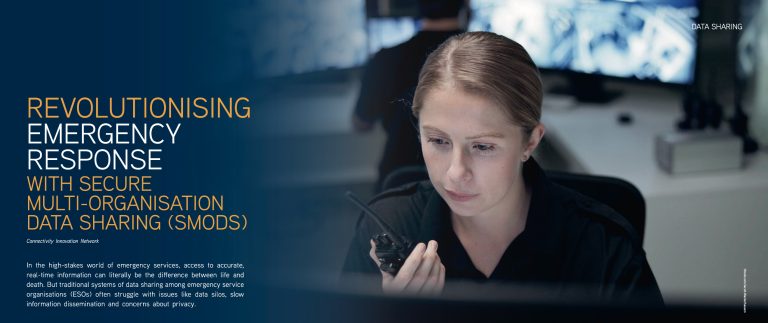
In an emergency, reliable information sharing between agencies isn’t optional; it’s essential.
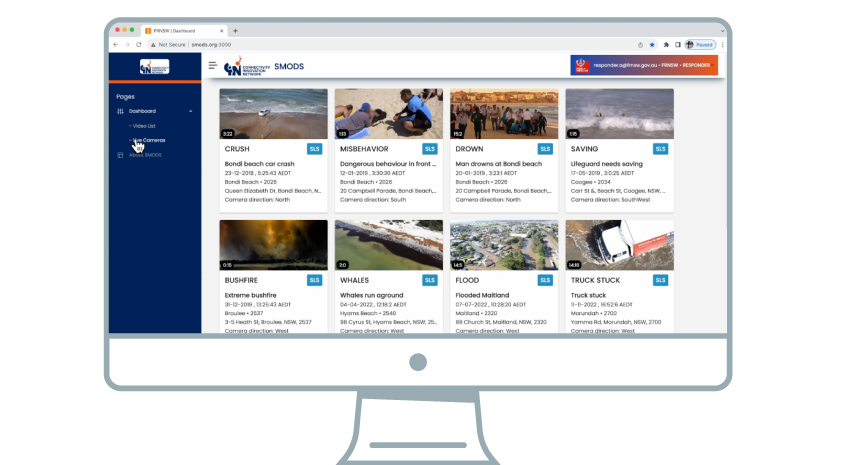
SMODS was developed to meet one of the most pressing challenges in emergency coordination: how to share real-time information securely, without sacrificing privacy or control.
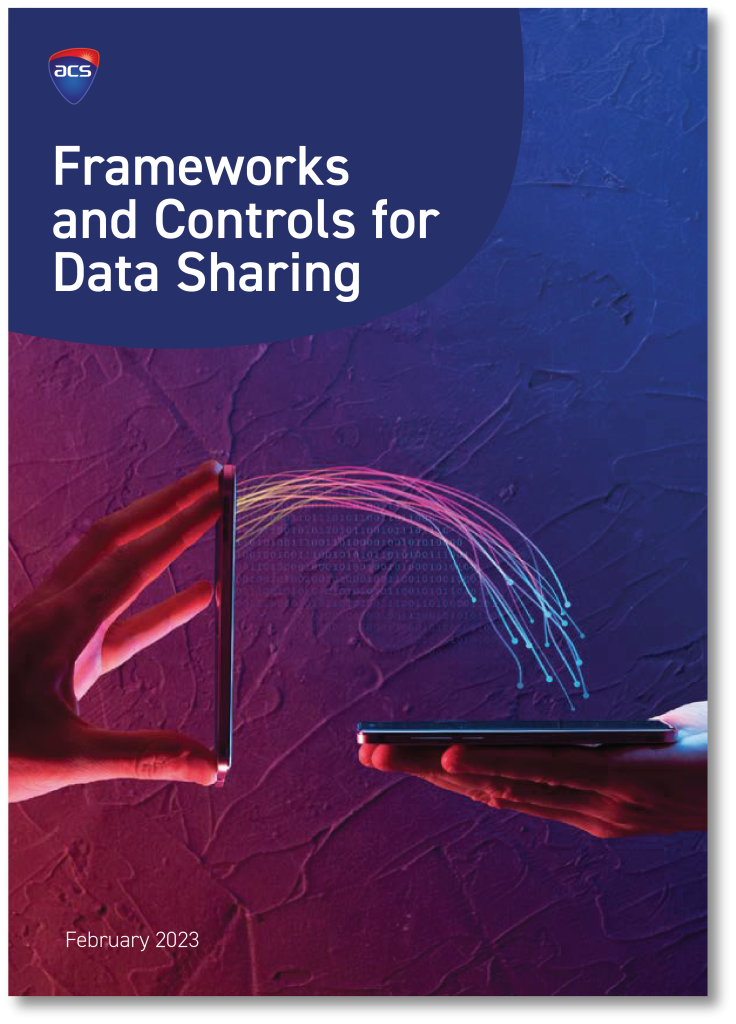
It’s also the only solution in the world to fully embed the Australian Computer Society’s Frameworks and Controls for Data Sharing, a comprehensive model for privacy, access, and lifecycle management in high-stakes data environments. This makes SMODS not only technically advanced but uniquely aligned with ethical and regulatory expectations from the outset.
What is the ACS Data Sharing Framework?
The ACS Data Sharing Framework was developed to address a complex but increasingly urgent challenge: how to safely and meaningfully share data, often personal, high-volume, or sensitive, between systems, organisations, and jurisdictions.
Led by a national taskforce, the framework brings together best practices in privacy protection, data lifecycle management, legal obligations, and digital ethics. It offers practical guidance on:
Evaluating privacy impact
Assessing access and security risks
Managing data over time
Ensuring fairness, transparency and accountability
The framework doesn’t just focus on technology; it considers cultural context, regulatory environments, and the need to retain community trust in how data is handled. As such, it has become a reference point for any organisation seeking to share data securely while maintaining public confidence.
How SMODS brings the Framework to Life
SMODS takes this thinking further. Developed by the University of Technology Sydney in consultation with World Data Exchange and supported by CIN, SMODS is the first and only platform to fully implement the ACS Framework across all three pillars: privacy, risk, and lifecycle control.
In practice, this means SMODS can:
Automatically evaluate the privacy level of data being shared
Dynamically assess who should have access to what, when, and why
Manage how data is stored, transformed, or deleted across its full lifecycle
Preserve the autonomy of each organisation while enabling secure, real-time multimedia sharing (e.g. video, images, situational feeds) during emergencies
This level of alignment ensures that SMODS is not only technically robust but also socially and ethically fit for purpose.
Why it Matters
From natural disasters to large-scale public events, frontline agencies need access to live, accurate data to make time-critical decisions. But that data must be shared in a way that’s both secure and responsible. Without clear frameworks, agencies face delays, duplication, or risk-laden shortcuts.
By embedding the ACS Data Sharing Framework into the heart of its architecture, SMODS shows how technical innovation can be guided by ethical standards, turning complex compliance into operational clarity. It provides a blueprint for how public sector data sharing should work.